Emergency Dentist Checklist: What to Bring to Your Visit
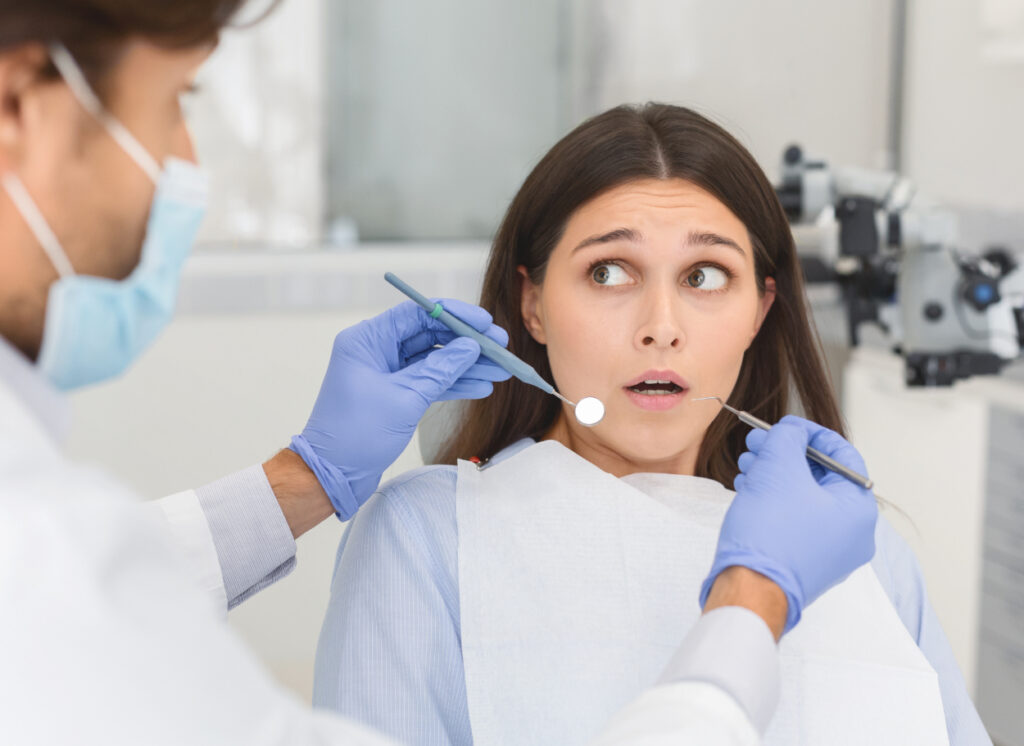

A dental emergency rarely happens at a convenient time. It shows up in the middle of a workday, late at night, during a family dinner, or right before a trip. One minute you are fine, the next you are holding your jaw, rinsing blood from your mouth, or trying to figure out what to do with a broken crown wrapped in a paper towel.
When people search for an Emergency Dentist, they usually focus on one urgent question: how fast can I be seen? That matters, of course. But once the appointment is secured, the next practical question is just as important: what should you bring?
That small bit of preparation can make the visit smoother, faster, and more effective. In urgent dental care, details matter. A lost filling is different from a cracked molar. A knocked-out tooth has a very different timeline than swelling from an abscess. The more useful information and relevant items you bring, the easier it is for the dental team to assess pain, reduce risk, and choose the right treatment on the first visit.
I have seen emergency appointments go two very different ways. In one, the patient arrives flustered but prepared, with medication details, insurance card, and the broken piece of the tooth in a clean container. The exam moves quickly, the diagnosis is clear, and treatment starts without delay. In the other, the patient is in understandable distress but cannot remember their medications, leaves their ID in another bag, and has no idea when the pain started or whether the swelling worsened overnight. The dentist can still help, but valuable time is spent piecing together basics instead of moving straight into care.
The goal is not to make a stressful situation feel more complicated. It is to reduce avoidable friction. If you know what to gather before you leave home, you walk in more prepared and the clinical team can do their job with fewer gaps.
Why preparation matters in a true dental emergency
An emergency dental visit is different from a routine cleaning or planned filling. The dentist is often making decisions quickly, sometimes with limited history and under time pressure. Pain levels may be high. Infection may be spreading. Trauma may have affected more than one tooth. In some cases, the visit is about stabilizing the problem first and completing definitive treatment later.
That means the visit often hinges on a few practical facts. Which tooth hurts? When did the pain begin? Is it constant or triggered by hot and cold? Did the tooth break while chewing, or was it caused by a fall? Are you on blood thinners? Have you taken pain medicine in the last four hours? Are you allergic to penicillin or latex? These are not paperwork details for their own sake. They shape the treatment plan.
For example, swelling with fever and difficulty swallowing raises concern differently than a clean chip on the edge of a front tooth. A knocked-out permanent tooth has the best chance of being saved when handled correctly and brought in promptly. A patient with significant facial swelling who also has diabetes may need more urgent management than someone with mild gum tenderness.
Preparedness also matters financially and logistically. Emergency offices usually try to help quickly, but they still need identification, consent, and payment or insurance information. If you may need a ride home because of sedation, strong pain medication, or sheer discomfort, it helps to think that through before you arrive.
What to bring, if you have time to gather it
Not every emergency gives you ten calm minutes by the kitchen counter. Sometimes you are rushing out the door with an ice pack against your face. Still, if you can pause briefly, this is the most useful checklist to work from:
- A photo ID, insurance card, and a payment method
- A list of current medications, allergies, and major medical conditions
- Any broken tooth fragment, crown, bridge, denture piece, or orthodontic appliance that came out
- Notes or photos that show when the problem started, what happened, and any swelling or bleeding
- A phone charger and a trusted contact’s information, especially if someone may need to pick you up
That list covers the essentials, but each item has a reason behind it.
A photo ID and insurance card are obvious, yet they are often forgotten in a rush. Front desk teams can sometimes work around missing information, but it slows check-in and can create confusion about coverage. If you are in severe pain, the last thing you want is a delay over avoidable paperwork. Bring your payment method even if you believe insurance will cover the visit. Many emergency dental practices collect at least part of the estimated cost on the day of service.
Your medication list matters more than many people realize. A dentist prescribing antibiotics or pain relief needs to know what you already take. Blood pressure medications, blood thinners, diabetes drugs, immunosuppressants, and even over-the-counter supplements can affect treatment decisions. If you cannot remember exact names, bring the pill bottles or take clear photos of the labels. The same goes for allergies. “I had a bad reaction once” is not enough detail if you can help it. If you know whether it was a rash, stomach upset, swelling, or trouble breathing, say so.
Broken dental pieces are sometimes useful and sometimes not, but bring them anyway. A crown that popped off may be recemented if it is intact and the tooth underneath is suitable. A fractured veneer or a piece of denture can help the dentist see what changed. A chipped fragment from a front tooth may guide a temporary repair. Put the item in a clean container, not loose in your pocket. If it is a knocked-out permanent tooth, handling is even more specific, which is worth discussing separately.
Notes and photos can sound excessive until you are sitting in the chair trying to remember whether the pain started on Tuesday night or Thursday morning. A quick phone note can help: “Sharp pain upper right when biting, started after popcorn kernel, woke me at 3 a.m., took 400 mg ibuprofen at 7 a.m.” That level of detail is actually useful. A photo of visible swelling taken earlier in the day can also help if the swelling has shifted by the time you are examined.
The phone charger sounds mundane, but emergency visits often run longer than expected. X-rays, an exam, treatment planning, possible drainage, a temporary restoration, waiting for numbness, or coordinating referral care can all stretch the appointment. A dead phone becomes a bigger problem if you need to contact work, family, or a driver.
If a tooth was knocked out or something broke suddenly
This is one of the few situations where what you bring and how you bring it may affect the outcome directly. A knocked-out permanent tooth can sometimes be replanted, especially if treatment happens quickly and the tooth has been handled properly. Timing matters. So does storage.
If a permanent tooth comes out, pick it up by the crown, not the root. If it is dirty, rinse it gently with milk or saline if available, or briefly with water if that is your only option. Do not scrub it. Do not wrap it in tissue and let it dry out. If the person is alert and able, the tooth may sometimes be placed back in the socket right away, but many people are understandably hesitant to do that. The safer practical alternative is to keep it moist in milk or a tooth preservation solution if one is available. Then go to the Emergency Dentist immediately.
Primary teeth, the baby teeth in children, are a different matter. These generally are not replanted because doing so can damage the developing permanent tooth underneath. Parents often panic when a child arrives holding a little tooth in their palm, but the management depends on whether it was a baby tooth or a permanent one. That is one reason it helps to call the office while you are on the way. They can tell you what to do next.
If a crown, bridge, or filling fell out, place it in a small clean container or zip bag. If a denture cracked, bring all pieces, even the small ones. Trying to glue dental appliances at home with household adhesive creates a mess the office then has to undo, and some glues are toxic in the mouth. Temporary dental cement from a pharmacy can sometimes help in a pinch for a loose crown, but even then, bring the crown with you and avoid chewing on that side.
Orthodontic emergencies deserve a quick note too. A poking wire or broken bracket may not sound dramatic, but it can be miserable. Bring any bracket that came off. If a wire is cutting your cheek, orthodontic wax can help on the way in. Do not clip the wire unless you were specifically told how and it is truly unavoidable.
The information your emergency dental team will ask for
People often assume the dentist only needs to look in the mouth. In reality, diagnosis in urgent care depends on history just as much as the exam. If you arrive ready to answer a handful of focused questions, it saves time and reduces guesswork.
Expect the team to ask what happened and when. “My tooth broke while eating toast this morning” points in one direction. “I had throbbing pain for two weeks, then my cheek swelled overnight” points in another. The timeline often suggests whether the problem is traumatic, infectious, or the progression of an older issue.
They will also want to know what the pain feels like. Sharp pain on biting can mean a cracked tooth, high filling, or ligament inflammation, among other possibilities. Lingering pain after cold may suggest the nerve inside the tooth is inflamed. Spontaneous throbbing that keeps you awake tends to get attention fast because it often signals something more serious. If the pain is severe, rating it on a scale from zero to ten is helpful, but plain language is just as valuable. “It pulses with my heartbeat” or “I cannot let my teeth touch” paints a clearer picture than a number alone.
Medication timing is another detail patients often forget. If you took ibuprofen, acetaminophen, aspirin, or a leftover prescription pain medicine before the visit, the team needs to know what, how much, and when. That helps them avoid doubling doses or prescribing something that conflicts. It also tells them how well your pain is responding. If you took 800 mg of ibuprofen an hour ago and feel no relief at all, that matters.
Medical conditions shape care more than many patients expect. Diabetes can affect infection risk and healing. Heart conditions may influence anesthetic choices or antibiotic considerations in select circumstances. Pregnancy changes medication decisions and X-ray protocols. A history of jaw radiation, osteoporosis medications such as bisphosphonates, recent chemotherapy, or immune suppression can all affect treatment. None of this means you cannot be treated. It means the team needs the full picture.
What not to bring, and what not to do beforehand
A surprising amount of emergency dental trouble is made worse by well-intentioned home fixes. People are uncomfortable, they want the problem gone, and the internet offers a thousand dubious shortcuts.
Avoid placing aspirin directly on the gum or tooth. It does not numb the area the way people hope, and it can chemically burn the soft tissue. Do not use super glue on crowns, retainers, dentures, or cracked teeth. Do not put crushed tablets into the cavity. Do not arrive chewing on the painful side after “testing” the tooth all morning. And if swelling is increasing rapidly, especially with fever, difficulty swallowing, or trouble breathing, do not wait for a routine slot. That can become a medical emergency, not just a dental one.
It is also wise not to eat a heavy meal immediately before the appointment if you suspect you may need a procedure, especially if sedation is a possibility. Some offices will give specific instructions when you call. Follow those instructions over any general advice. If they tell you not to eat or drink for a certain period, take that seriously.
Alcohol before an emergency dental visit is another bad idea. Patients sometimes take a drink to “take the edge off,” but https://riveruoms009.quantlynix.com/posts/emergency-dentist-care-for-dental-emergencies-at-school it can complicate consent, interact with medication, and increase bleeding in some situations. If your pain is intense, call the office and ask what over-the-counter pain relief is appropriate for you instead.
For parents bringing a child to an emergency dental visit
Children’s dental emergencies come with an extra layer of stress because the patient may be scared, crying, or too young to explain what hurts. Preparation still helps, but it looks a little different.
Bring the child’s medical information, including weight if you know it, because dosing for pain relief or antibiotics may depend on it. Bring the injured tooth or tooth fragment if one came out, and if there was a fall or sports injury, be ready to describe exactly what happened. Was there loss of consciousness? Did the lip or chin hit the ground first? Was a helmet worn? Dental trauma sometimes overlaps with head injury concerns, and the office may tell you to seek medical evaluation first if there are signs of concussion or facial fracture.
It also helps to bring one comfort item, not five. A favorite stuffed toy, a blanket, or headphones can be grounding during X-rays or examination. Too many objects create clutter and distraction in a room that already feels unfamiliar. If the child has sensory sensitivities or a history of difficult dental visits, tell the team when you book the appointment. Good emergency offices adjust their approach when they know that in advance.
A brief, calm explanation on the drive works better than elaborate promises. “The dentist is going to look, take pictures of your tooth, and help stop the hurt” is enough. Avoid saying “nothing will happen” or “it will not hurt,” because children remember when those statements are not true.
Small details that make the visit smoother
There are practical details that rarely appear on checklists, yet they often make the biggest difference in how manageable the day feels.
Wear comfortable clothing. If you are in pain for several hours, stiff workwear or restrictive collars quickly become irritating. If facial swelling is present, skip makeup around the mouth if possible. It sounds trivial, but the dentist needs to see tissue color, swelling pattern, and asymmetry clearly.
Arrive a little early if you can. Emergency schedules are unpredictable, and many offices fit urgent patients between existing appointments. Showing up ten to fifteen minutes early gives you a better shot at completing forms without feeling rushed. If you are delayed, call. Dental teams appreciate the update, and they may be able to preserve your slot or guide you to alternate care.
If someone can come with you, consider it. You may not need a ride home, but severe pain, facial swelling, anxiety, or the emotional drain of a sudden dental problem can leave people feeling shaky. I have seen very capable adults become lightheaded after the stress lets go. Having support nearby is not dramatic, it is sensible.
If you wear dental appliances, mention them early. Partial dentures, retainers, aligners, mouthguards, and sleep apnea devices all provide useful context. Sometimes the emergency is related to how those appliances fit. Sometimes they need to be adjusted after treatment. If an aligner suddenly no longer fits after trauma, that can be a clue that a tooth moved or was injured more deeply than it first appeared.
When the emergency is really a medical emergency
Most urgent dental problems belong in a dental office. Some do not. It is important to know the difference.
Seek immediate medical care, often through an emergency room, if facial swelling is spreading quickly, breathing is difficult, swallowing becomes hard, bleeding will not stop after sustained pressure, or trauma involves possible broken facial bones, deep cuts, or loss of consciousness. High fever with facial swelling is another red flag. A dentist may still be involved later, but those symptoms need medical evaluation first.
This distinction matters because people sometimes spend precious time calling around for an Emergency Dentist when the problem has crossed into something more dangerous. A serious dental infection can sometimes spread into deeper spaces of the face and neck. That is not the moment to stay home hoping antibiotics from a previous illness will sort it out.
A final pre-visit check before you head out the door
If you only have sixty seconds before leaving, run through this quick mental scan:
- Do I have ID, insurance, and a way to pay?
- Have I packed any broken tooth or dental piece in a clean container?
- Can I explain when the pain or injury started and what medicine I already took?
- Do I know whether I can drive home safely if treatment is needed?
- If swelling, fever, or breathing problems are getting worse, do I need medical care instead?
That minute of preparation can spare you a lot of friction once you arrive.
Dental emergencies are stressful by nature. You do not need to handle them perfectly. You just need to do the useful things first. Call promptly, protect any tooth or restoration that came out, avoid harmful home fixes, and bring the information that helps the dentist treat you safely.
The best emergency visits are not the ones where nothing serious happened. They are the ones where the patient arrived quickly, the facts were clear, and the team could move straight into care. When pain is sharp and nerves are high, that kind of efficiency is a real relief.
Simple Dental South Gate
Address: 8617 California Ave, South Gate, CA 90280
Phone number: +13236896118
FAQ About Emergency Dentist Southgate CA
What can the ER do for a tooth?
The emergency room can provide temporary symptom relief for a bad tooth, such as prescribing pain medicine or antibiotics, but it cannot fix the actual dental problem.
What is the 3-3-3 rule for tooth infection?
The 3-3-3 rule for a toothache or infection typically means taking three 200 mg ibuprofen tablets (600 mg total) three times a day for no more than three days to control pain and swelling while waiting to see a dentist.
What do you do if you have a dental emergency but no dentist?
If you have a dental emergency and no regular dentist, you should search for an urgent care dental clinic, call local walk-in dental offices, or go to a hospital emergency room if you have severe bleeding, swelling, or trouble breathing.