What Makes a Great Emergency Dentist? Key Qualities to Look For
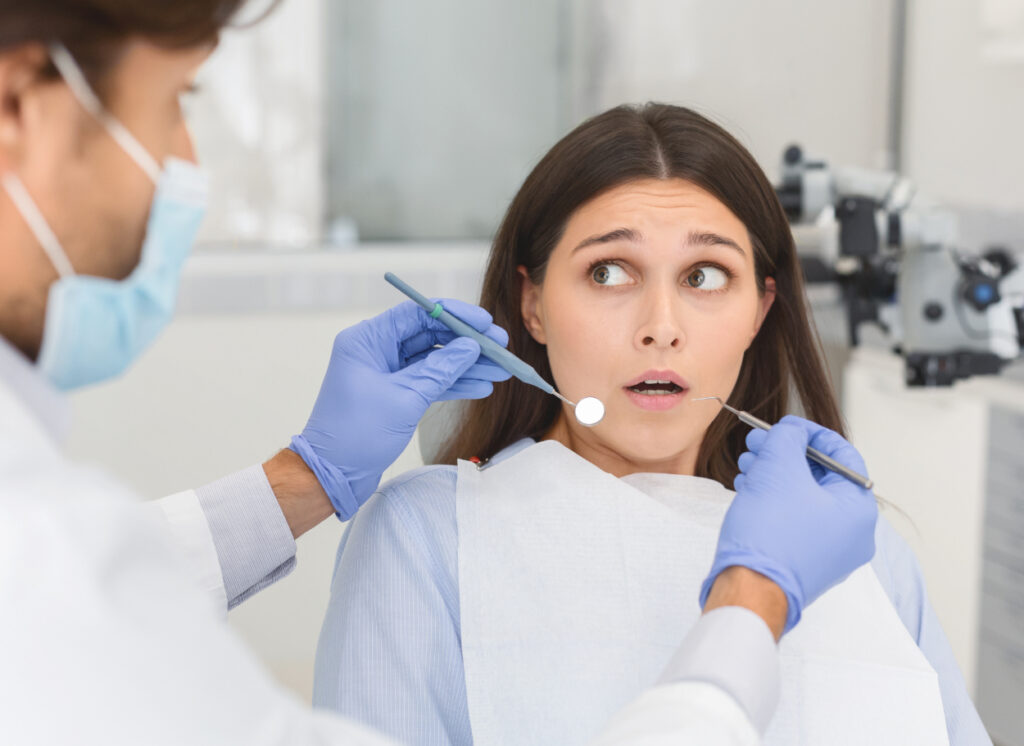
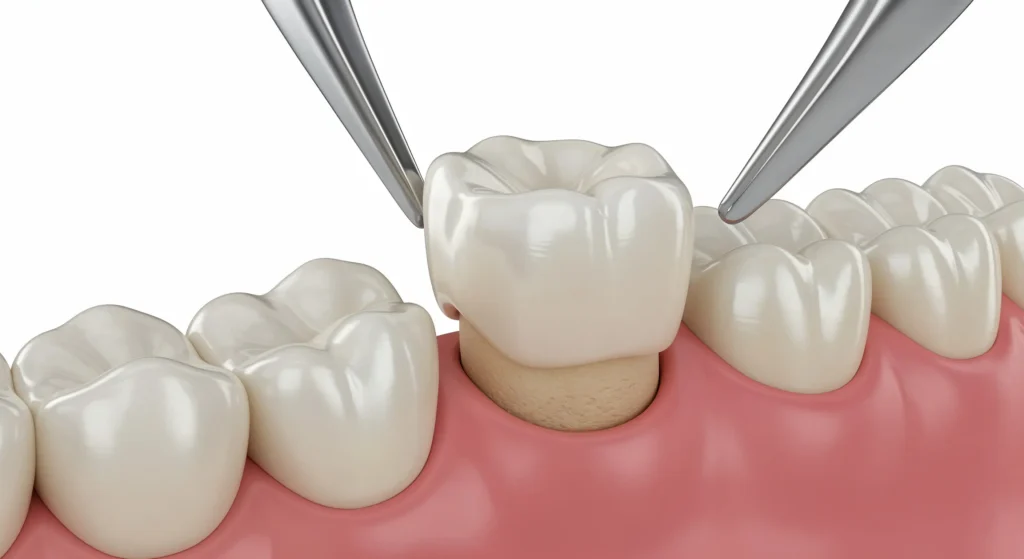
Dental emergencies have a way of stripping a situation down to its essentials. A broken front tooth ten minutes before work, a child crying at midnight from a swollen jaw, a knocked-out tooth on a Saturday football field, sudden pain that keeps building with every heartbeat, these moments do not leave much room for guesswork. When people search for an Emergency Dentist, they are not looking for a polished waiting room or a clever slogan. They want someone who can act quickly, judge accurately, and relieve pain without wasting precious time.
That sounds obvious, but not every practice that advertises emergency care handles emergencies equally well. Some offices reserve a few same-day slots and call that emergency dentistry. Others are equipped, staffed, and organized to manage urgent cases with confidence. The difference matters. In dental emergencies, delays can turn a fixable problem into a more complicated, more expensive, and sometimes less predictable one.
A great emergency dentist combines clinical skill with judgment, communication, and systems that work under pressure. The best ones do more than “fit you in.” They triage well, know when to move fast, and understand that pain changes how people process information. If you are trying to choose a provider before trouble starts, or you are in the middle of a stressful situation and need to know what matters most, these are the qualities worth paying attention to.
Speed matters, but speed without judgment is not enough
The first thing most people notice is availability. Can the office see you today? Can someone answer the phone after hours? Is there any guidance if the emergency happens at night, on a weekend, or during a holiday?
Availability matters, but it is only part of the picture. A great emergency dentist does not simply open a slot. They know how to triage. That means they can tell the difference between discomfort that can safely wait until morning and symptoms that need immediate intervention. Severe swelling, uncontrolled bleeding, facial trauma, fever with dental pain, or trouble swallowing are not routine problems. A skilled office team recognizes that right away and escalates appropriately.
This often starts before you even enter the building. A strong emergency practice asks focused questions: How long has the pain been going on? Is the tooth cracked, loose, or completely out? Is there swelling in the face or gum? Is there a bad taste in the mouth that suggests drainage? Have you taken pain medication, and has it helped? Those questions are not just administrative. They help the dentist prepare, reserve enough time, and decide whether the situation requires imaging, immediate treatment, referral, or, in rare cases, hospital care.
I have seen patients assume the “best” emergency office is simply the one that answers first. Sometimes that works out. Sometimes it means sitting for two hours in a reception area, then getting a quick look and a prescription when what was really needed was definitive treatment. Fast access is excellent. Fast access paired with clear clinical judgment is what actually helps.
Strong diagnostic skills separate temporary relief from real care
Emergency dentistry is not just about pain control. Pain is the symptom that brings people in, but the real job is to find the cause and decide what can be done safely and effectively in that moment.
Tooth pain can be deceptively similar from one case to another. A deep cavity, a cracked tooth, an abscess, inflamed nerve tissue, gum infection, sinus pressure, bite trauma, and even clenching can all produce overlapping symptoms. A great emergency dentist does not jump to the most obvious explanation. They test, examine, and confirm.
That usually means more than a quick glance. It may involve percussion testing, thermal tests, probing around the gums, checking mobility, evaluating the bite, and taking the right radiographs, not just any radiograph. A front tooth injured in a fall requires a different thought process than a molar that aches only when chewing. A child with a loose baby tooth after trauma is not managed the same way as an adult with a displaced permanent tooth.
This is where experience shows. An excellent emergency dentist knows which findings are meaningful and which are distractions. They can spot the crack line that is hard to see. They understand when swelling points to a spreading infection rather than a localized one. They know that a crowned tooth with sudden pain may be dealing with decay underneath, a root fracture, or a bite issue, not just “sensitivity.”
The goal is not to make the visit feel dramatic. The goal is to avoid the common failure of emergency care, treating the symptom while missing the condition driving it.
Pain control is both a skill and a responsibility
People remember whether an emergency dentist helped them feel better. That is not shallow. Pain changes everything. It affects trust, patience, memory, and decision-making. A dentist who dismisses pain, rushes through anesthesia, or assumes every patient responds the same way will struggle in emergency care.
A great emergency dentist takes pain seriously from the start. They understand local anesthesia well and know how to adapt when a hot tooth is difficult to numb. They explain what they are doing, what the patient may feel, and when relief should begin. They are not casual about checking whether the area is truly anesthetized before starting treatment.
This sounds basic, but it makes a remarkable difference. Patients in severe pain are often scared that the procedure will hurt more than the problem itself. A calm explanation and careful anesthetic technique can lower the temperature of the whole appointment. When anesthesia is incomplete, a skilled emergency dentist does not push through unnecessarily. They reassess, use supplemental techniques if needed, and change course when the situation calls for it.
Pain management also extends beyond the chair. Good emergency care includes sensible advice about what to expect after treatment, what level of discomfort is normal, and when increasing pain signals a complication. The best dentists are neither reckless nor stingy. They prescribe thoughtfully, avoiding unnecessary medications while still giving patients realistic ways to stay comfortable.
Experience with the full range of emergencies
Not every dentist sees the same mix of urgent cases. Some handle mostly broken fillings and toothaches. Others regularly manage trauma, abscesses, avulsed teeth, fractured crowns, post-extraction bleeding, and severe periodontal flare-ups. A great emergency dentist does not need to perform every advanced procedure in-house, but they should be comfortable stabilizing many common emergencies and recognizing their own limits early.
That breadth matters because emergencies are unpredictable. A patient may book for “pain in the back tooth” and arrive with swelling extending along the jawline. A teenager may come in after sports trauma with one tooth displaced and another fractured at the gumline. A routine crown that popped off might reveal extensive decay or a split tooth underneath. These are not ideal circumstances for hesitation.
You can often sense this experience in the way a dentist talks. They do not overpromise. They do not instantly declare that every tooth can be saved, and they do not rush to remove a tooth that might still have a predictable prognosis. They discuss options in a grounded way. If a root canal is feasible, they say so. If an extraction is more realistic because of the fracture pattern or bone loss, they explain that clearly. If specialist care is needed, they make that referral efficiently instead of leaving the patient to navigate it alone.
Communication under pressure is a clinical asset
A dental emergency is not a normal appointment. People arrive in pain, embarrassed, worried about appearance, or panicked about cost. Some have not slept. Some have a history of difficult dental experiences. Some are bringing a frightened child. Great emergency dentists know that communication is not a soft skill sitting beside the real work. It is part of the real work.
They explain the problem in plain language. They distinguish what must happen now from what can wait. They set expectations. If today’s goal is to drain an infection, stabilize a tooth, re-cement a crown, or remove inflamed tissue so the patient can get through the next 24 hours, they say that. If definitive treatment will require a second appointment, they are honest about it.
That clarity prevents many of the misunderstandings that sour emergency care. Patients often assume that an urgent visit will solve everything on the spot. Sometimes it can. Sometimes the safest and most appropriate treatment is temporary because the tooth needs specialist therapy, the swelling needs to reduce first, or the schedule does not allow for a multi-hour procedure that day. A great emergency dentist makes that distinction without sounding evasive.
The same applies to financial communication. Emergency treatment can be stressful enough without vague pricing. While no responsible clinician can quote every case precisely before an exam, a well-run office can usually provide a sensible estimate range, explain what the emergency exam includes, and discuss likely next steps. That transparency builds trust fast.
A well-organized team often tells you more than the website
Patients tend to focus on the dentist, which is understandable, but emergency care is rarely a one-person performance. The front desk, dental assistants, hygienists, and office systems all influence whether a crisis feels manageable or chaotic.
A strong emergency dental office usually shows its quality in small, practical ways. The phone is answered by someone who knows what to ask. Forms are not allowed to delay urgent treatment unnecessarily. Imaging can be taken quickly. The assistant anticipates what the dentist will need. Prescriptions, referrals, and post-operative instructions are handled cleanly.
I have seen excellent clinicians undermined by weak systems. A patient with a knocked-out tooth should not spend fifteen minutes standing at a counter entering insurance details before anyone offers guidance. In that situation, every minute matters. The tooth should be handled correctly, ideally by the crown rather than the root, kept moist in milk or saline if possible, and assessed urgently. A team that knows this can change the outcome.
Here are a few signs that an emergency practice is likely well-prepared:
- They offer same-day or rapid triage for urgent symptoms.
- Staff ask specific clinical questions, not just scheduling questions.
- The office can take diagnostic images immediately.
- They give clear after-hours instructions.
- They explain both immediate treatment and follow-up plans.
None of these signs guarantee excellence on their own. Together, they usually indicate a practice that treats emergencies as a real service rather than a marketing label.
Calmness is not cosmetic, it affects outcomes
There is a particular steadiness that experienced emergency dentists tend to have. They do not become theatrical when a case is messy. They do not mirror the patient’s panic. They stay focused.
That calm matters in very practical ways. A distressed patient needs someone who can narrow the problem, make a plan, and move from uncertainty to action. If a patient is bleeding after an extraction, the dentist should know whether this is expected oozing or something more significant. If a child has fractured an incisor, the dentist should balance urgency with reassurance. If swelling appears to be spreading, the dentist should not minimize it just to keep the appointment simple.
Calm also helps when the “perfect” solution is not available. Perhaps the tooth can be stabilized today but needs an endodontist tomorrow. Perhaps the crack is worse than expected and the discussion shifts from saving the tooth to replacing it. Perhaps the patient is traveling, uninsured, or trying to attend a major event the next day. A great emergency dentist can manage the clinical reality while still helping the patient feel looked after.
Willingness to make hard calls
One of the less glamorous qualities in emergency dentistry is decisiveness. Not impulsiveness, not arrogance, but the willingness to make difficult recommendations when the facts support them.
There are cases where temporary patchwork is not in the patient’s best interest. A severely infected tooth with facial swelling may need immediate drainage or extraction, not another round of delay. A vertically fractured tooth often cannot be predictably saved, no matter how attached the patient is to it. A trauma case may need oral surgery or endodontic care that should not be postponed out of convenience.
Patients do not always welcome these conversations, especially when they involve cost, time off work, or permanent treatment. A great emergency dentist does not avoid the truth to keep the interaction comfortable. They present options, explain https://www.google.com/maps?cid=9042865669086661852 the risks of waiting, and document a clear recommendation. That honesty can feel blunt in the moment, but it is one of the strongest forms of patient advocacy.
Cleanliness, technology, and comfort still matter, just not in the way ads suggest
Sterilization, infection control, digital radiography, and modern equipment are not luxury extras. They are part of competent contemporary care. During an emergency, the office should be able to diagnose efficiently, treat safely, and document accurately. Good lighting, reliable suction, high-quality imaging, and proper instruments all help.
That said, patients can be distracted by cosmetic markers of quality. A sleek office and a long list of gadgets do not necessarily mean better emergency care. Technology is useful when it improves diagnosis, speed, or precision. For example, digital X-rays can help quickly identify decay, abscesses, and fractures. Intraoral cameras can help patients see the problem. Cone beam imaging may be valuable in select cases, especially with trauma or complex anatomy. But no machine substitutes for sound clinical reasoning.
The same goes for comfort amenities. Blankets, noise-canceling headphones, and online forms are pleasant. They are not what saves the day when someone arrives with an acute abscess or a dislodged bridge exposing sensitive tooth structure. In emergencies, substance beats polish.
The best Emergency Dentist knows when not to over-treat
This quality is easy to overlook. Patients in pain are vulnerable, and vulnerable patients are easy to oversell. A trustworthy emergency dentist does not use urgency as leverage.
If a simple smoothing and bonding repair will safely get a patient through a broken edge on a front tooth, they say so. If a temporary crown re-cementation is reasonable until the primary dentist can reassess, they do not invent a crisis. If symptoms suggest that monitoring is acceptable for a short window, they explain that instead of turning every problem into an immediate major procedure.
This restraint is one of the clearest signs of professionalism. Emergency care is not about doing the most treatment. It is about doing the right treatment at the right time, with a realistic view of risks, benefits, and timing.
What patients can check before an emergency happens
Most people look for an emergency dentist only when they need one, which is understandable. Still, a little preparation can save real stress later. If you already have a general dentist, ask how the practice handles urgent care, after-hours calls, and same-day pain visits. If you are new to an area or your current office has limited emergency access, it is worth identifying a backup before you need one.
A practical way to vet an office is to look for specifics rather than slogans. Does the practice describe what counts as an emergency? Do they mention same-day exams, trauma care, or after-hours contact procedures? Are reviews talking about actual urgent situations, such as broken teeth, swelling, or weekend pain, rather than just routine cleanings? Even a brief phone call can reveal a lot.
You might ask these questions:
- How do you handle same-day dental emergencies?
- Is there an after-hours number or on-call process?
- What kinds of urgent cases do you typically treat in-house?
- Can you take X-rays and start treatment at the emergency visit?
- If a specialist is needed, how quickly can you coordinate that referral?
You are not interrogating the office. You are trying to find out whether they are set up to help when time and comfort matter.
When a great emergency visit does not feel dramatic
Ironically, the best emergency dental experiences are often the least dramatic in hindsight. The office responds promptly. The team asks the right questions. The dentist identifies the problem, gets the patient comfortable, explains the options, and provides treatment that makes sense for that exact situation. The patient leaves with less pain, clear next steps, and no confusion about what happens next.
That can look different from one case to another. For one patient, success is a tooth saved after being knocked out and replanted quickly. For another, it is a difficult truth delivered well, that the tooth cannot be saved and extracting it now will prevent a far worse infection. For a parent, it may simply be hearing a confident explanation that the injury looks alarming but is manageable, and that the child is going to be okay.
Great emergency dentists do not build their reputation only on technical skill, though that remains essential. They earn trust by being available, perceptive, steady, and honest when patients are at their most uncomfortable. If you are deciding who to call when something goes wrong, look beyond the words “emergency care” on a homepage. Look for evidence that the dentist and the team can think clearly, act quickly, communicate well, and treat urgent problems with judgment. That is what makes the difference when the problem in your mouth cannot wait until next week.
Simple Dental Vermont
Address: 8914 S Vermont Ave, Los Angeles, CA 90044
Phone number: +13239493000
FAQ About Emergency Dentist Los Angeles CA
What can the ER do for a tooth?
The emergency room can provide temporary symptom relief for a bad tooth, such as prescribing pain medicine or antibiotics, but it cannot fix the actual dental problem.
What is the 3-3-3 rule for tooth infection?
The 3-3-3 rule for a toothache or infection typically means taking three 200 mg ibuprofen tablets (600 mg total) three times a day for no more than three days to control pain and swelling while waiting to see a dentist.
What do you do if you have a dental emergency but no dentist?
If you have a dental emergency and no regular dentist, you should search for an urgent care dental clinic, call local walk-in dental offices, or go to a hospital emergency room if you have severe bleeding, swelling, or trouble breathing.